

5. Protect your mail, your documents, and your physical cards
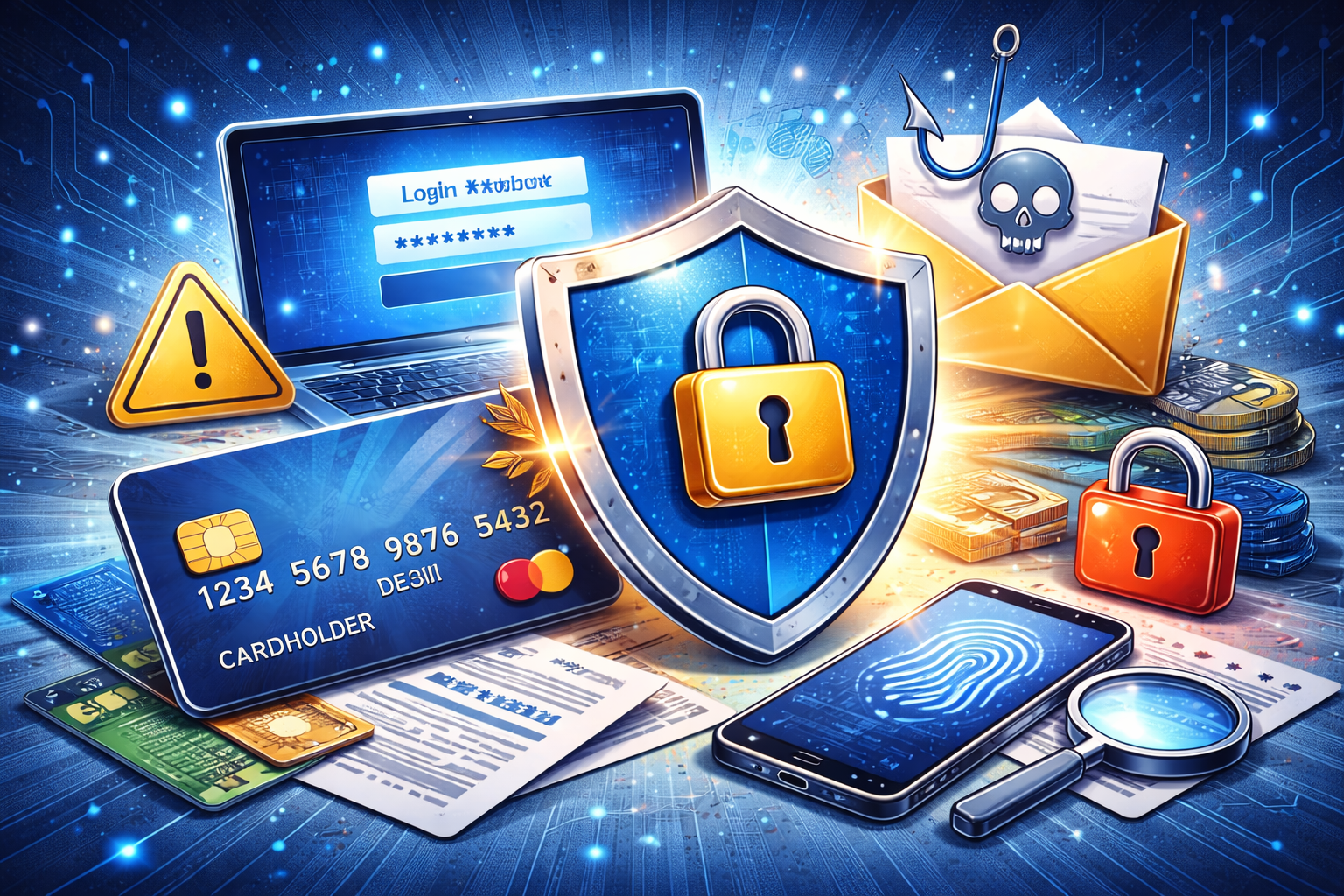
Not all identity theft happens online. Police UK warns that personal fraud can begin when someone gets hold of paper documents or details linked to your address. The FTC also advises protecting sensitive documents and acting quickly if something suggests your personal information has been misused.
That means paper still matters. Bank letters, credit card statements, utility bills, and official documents can give a criminal the pieces they need to impersonate you. If you throw these papers away without destroying them, you may be giving away useful information. Keeping important paperwork in a safe place and destroying old documents before disposal can reduce that risk. Police UK also says that if you start receiving post for people you do not know, you should try to find out why, because address misuse can be linked to fraud.
Your physical card also needs care. Do not leave it lying around, and report it quickly if it is lost or stolen. When paying in person, keep an eye on the machine and your card. The CFPB has warned about unauthorized store credit being opened at the register and advises consumers not to hand over sensitive details such as Social Security numbers unless they truly want to apply for credit. The wider lesson applies everywhere: do not share more than is needed, and do not assume every request at a till or counter is harmless. Being careful with paper, post, and plastic cards is still a major part of fraud prevention.











Leave a comment