

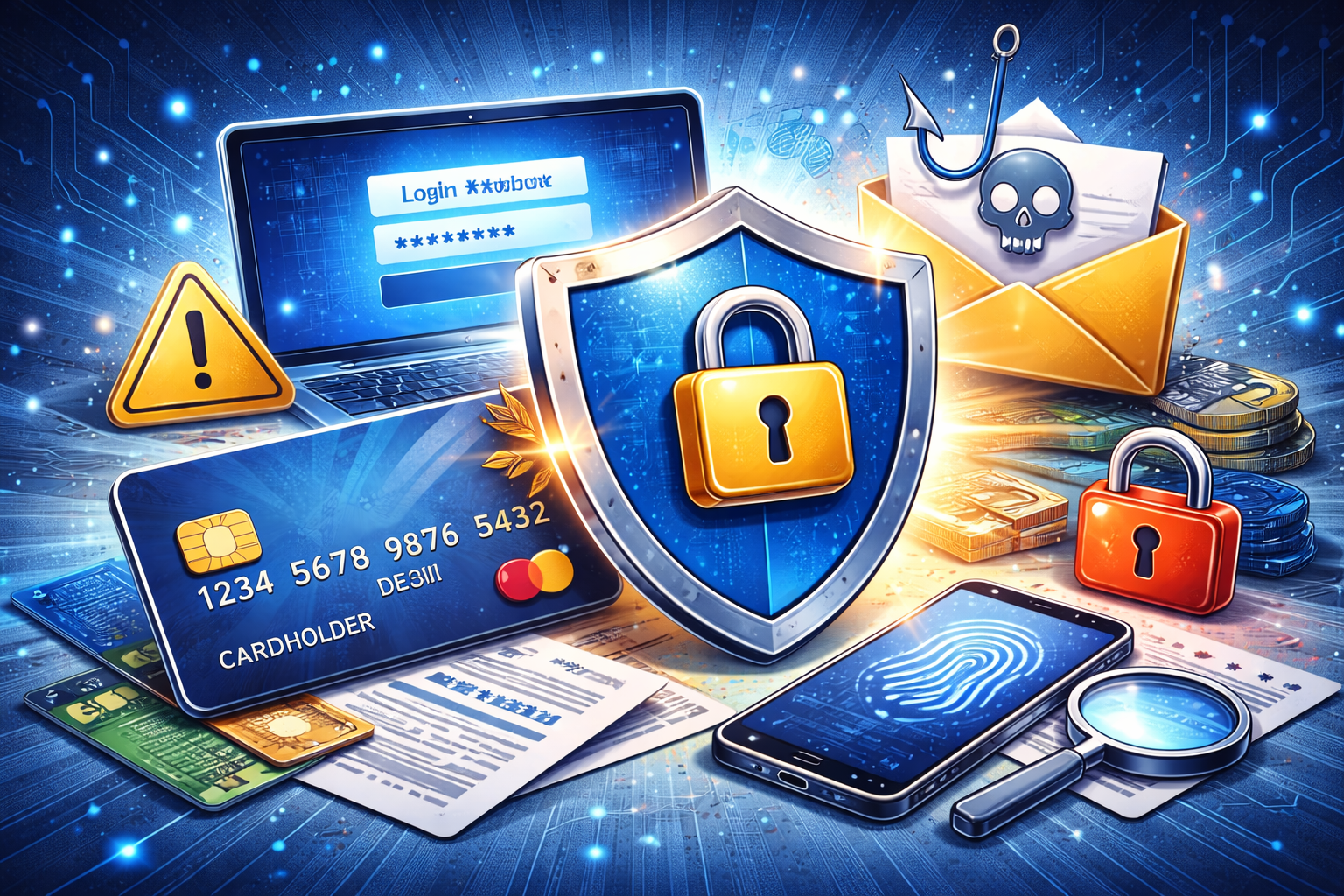
4. Shop online carefully and avoid suspicious links
Online shopping is convenient, but it also gives fraudsters many chances to trick people. The NCSC says you should check that an online shop is legitimate, watch out for suspicious links, and only provide the details needed at checkout. It also notes that criminals increasingly use fake websites and online fraud to steal money and personal information. (NCSC)
A common mistake is clicking a link in a text or email that claims to offer a great deal or says there is a problem with a delivery or payment. These messages may take you to a fake website designed to look real. Once you type in your login details or card number, the criminal can steal them. A safer habit is to type the web address yourself or use an app you already trust instead of following links from unexpected messages.
Before you pay, pause for a moment and ask whether the website looks genuine. Check the spelling of the web address, look for signs that the company is real, and be cautious if the offer looks far too good to be true. The NCSC also advises using a credit card for online shopping because credit card purchases often come with stronger protection if things go wrong. Careful online shopping does not mean being afraid of every website. It means slowing down, checking where you are, and refusing to hand over money or details to a site you do not trust.











Leave a comment