

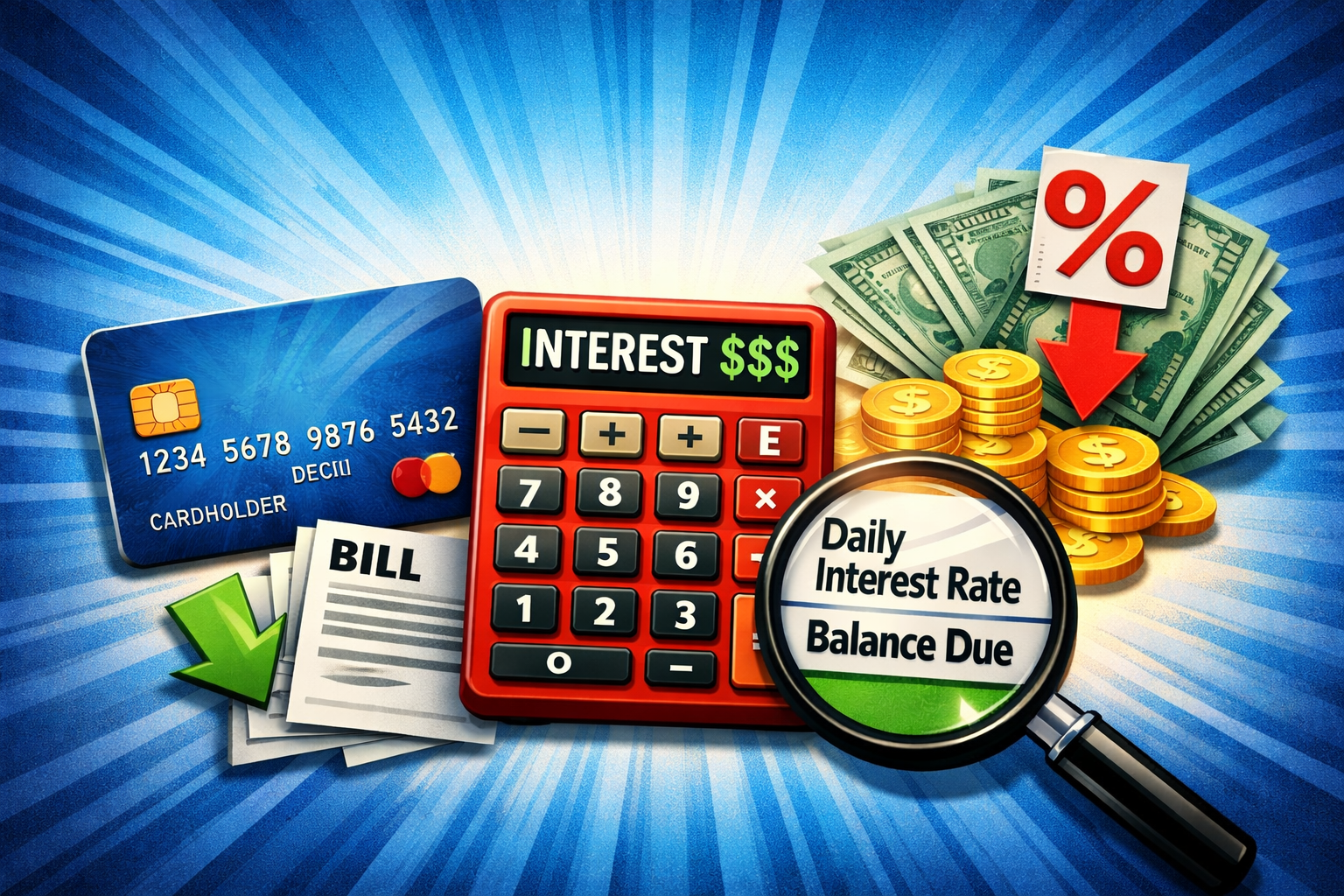
Credit cards allow people to borrow money for purchases and repay it later. When the balance on a credit card is not fully paid by the due date, the credit card company begins charging interest on the remaining amount. Interest is the cost of borrowing money, and it is one of the main ways credit card companies make money.
Many people see interest charges on their credit card statements but do not fully understand how those charges are calculated. The process may look complicated at first, but it follows a clear set of steps used by most credit card companies.
Understanding how credit card interest works can help people avoid unnecessary charges, reduce debt faster, and manage their credit cards more wisely.
Below are the main factors and steps credit card companies use to calculate interest.
1. The Annual Interest Rate (APR)
The first step in calculating credit card interest is the Annual Percentage Rate, often called APR.
APR is the yearly rate a bank charges for borrowing money on a credit card. For example, if a card has a 20% APR, that means the bank charges about 20 percent interest on the borrowed amount over a year.
Even though the rate is described as yearly, credit card companies do not wait until the end of the year to calculate interest. Instead, they break the yearly rate into smaller portions so that interest can be calculated daily.
APR can vary depending on several factors such as the type of card, the borrower’s credit history, and overall economic conditions. People with strong credit histories often receive lower interest rates, while people with weaker credit histories may receive higher rates.
It is also important to understand that many credit cards offer a grace period. During this period, if the full balance is paid by the due date, no interest is charged. But if even a small part of the balance remains unpaid, interest may start accumulating from the purchase date.
Because of this rule, paying the full balance each month is one of the best ways to avoid interest charges completely.
2. Converting the APR Into a Daily Interest Rate
Although APR is expressed as a yearly rate, credit card companies usually calculate interest daily.
To do this, the bank divides the APR by the number of days in a year, which is typically 365. This creates what is called the daily interest rate.
For example, if a credit card has an APR of 18%, the daily rate would be calculated like this:
18% ÷ 365 days = 0.049% per day.
This daily rate may look very small, but it is applied to the balance every day the debt remains unpaid.
Because interest is calculated daily, the longer a balance stays unpaid, the more interest accumulates. This is why carrying a credit card balance for many months can become expensive.
Daily interest calculation also means that making payments earlier can reduce interest costs. Paying down the balance sooner lowers the amount used in the daily calculations.
3. The Average Daily Balance Method
Most credit card companies use something called the average daily balance method to determine interest charges.
This method looks at the balance on the credit card for each day of the billing cycle. The bank adds up all the daily balances and then divides that total by the number of days in the billing period.
The result is the average balance for that month.
For example, imagine a billing period of 30 days:
- First 10 days: balance is £500
- Next 10 days: balance increases to £800
- Last 10 days: balance decreases to £300
The bank adds these balances together and divides them by the number of days in the cycle.
This average number becomes the amount used to calculate interest.
This method ensures the bank charges interest based on how much money was borrowed over time rather than just the balance at the end of the month.
4. Calculating the Interest for the Billing Cycle
After determining the average daily balance and the daily interest rate, the bank multiplies these numbers to calculate the interest charge.
The process typically looks like this:
- Find the daily interest rate.
- Calculate the average daily balance.
- Multiply the daily rate by the average balance.
- Multiply that result by the number of days in the billing cycle.
This produces the total interest charged for that billing period.
For example:
- Average balance: £600
- Daily interest rate: 0.05%
- Billing cycle: 30 days
The bank calculates interest by applying the daily rate to the average balance for each day of the cycle.
The final result is added to the credit card statement as the interest charge.
5. Interest Compounding
Another important part of credit card interest is compounding.
Compounding means that interest can be added to the balance, and then future interest is calculated on the new higher balance.
For example, if a person owes £1,000 and interest of £20 is added, the new balance becomes £1,020. The next interest calculation may be based on this higher amount.
Over time, compounding can make debt grow faster if the balance is not reduced.
Many credit card companies compound interest daily but add the total interest to the account once per billing cycle.
This means that if someone carries a balance for a long time, interest can gradually increase the total amount owed.
6. The Billing Cycle
Credit card interest is calculated within what is called the billing cycle.
A billing cycle is the period between two credit card statements, usually around 28 to 31 days.
During this time, the bank tracks all transactions, including purchases, payments, and balances.
At the end of the billing cycle, the bank calculates:
- the total balance
- the interest charges
- the minimum payment required.
The statement then shows the due date by which the payment must be made.
If the full balance is paid before the due date, interest is usually avoided. But if only part of the balance is paid, interest continues to accumulate in the next billing cycle.
7. How Purchases and Payments Affect Interest
Every purchase or payment made during the billing cycle affects the interest calculation.
If someone makes a purchase early in the billing cycle, that amount stays on the balance longer. Because interest is calculated daily, the purchase may generate more interest than a purchase made near the end of the cycle.
On the other hand, making payments early in the cycle can reduce interest.
For example, if someone pays £200 toward their balance early in the month, the daily balance decreases. This lowers the average daily balance and reduces the interest charged.
This is why financial experts often recommend paying down balances as soon as possible rather than waiting until the due date.
8. Minimum Payments and Interest
Credit card statements usually show a minimum payment amount.
This minimum payment is the smallest amount the cardholder must pay to keep the account in good standing.
However, paying only the minimum payment does not stop interest from accumulating.
When only the minimum payment is made, the remaining balance continues to carry interest into the next billing cycle. Over time, this can make the total debt much larger.
For example, someone who owes £2,000 and only pays the minimum each month may take many years to repay the debt because interest keeps being added.
This is why many financial advisors recommend paying more than the minimum whenever possible.
9. Other Factors That Affect Interest Charges
Several other factors can influence how much interest someone pays on a credit card.
One factor is cash withdrawals. Taking cash from an ATM using a credit card often begins charging interest immediately without a grace period.
Another factor is late payments. Missing a payment can lead to late fees and may increase the interest rate on the card.
Some credit cards also apply different interest rates to different types of transactions, such as purchases, balance transfers, and cash withdrawals.
Because of these differences, reading the terms and conditions of a credit card agreement is important.
10. How to Avoid Credit Card Interest
The easiest way to avoid credit card interest is to pay the full balance every month before the due date.
When the full balance is paid, the grace period usually prevents interest from being charged on purchases.
Other strategies for reducing interest include:
- paying balances early in the billing cycle
- avoiding cash withdrawals with credit cards
- keeping balances low compared to the credit limit
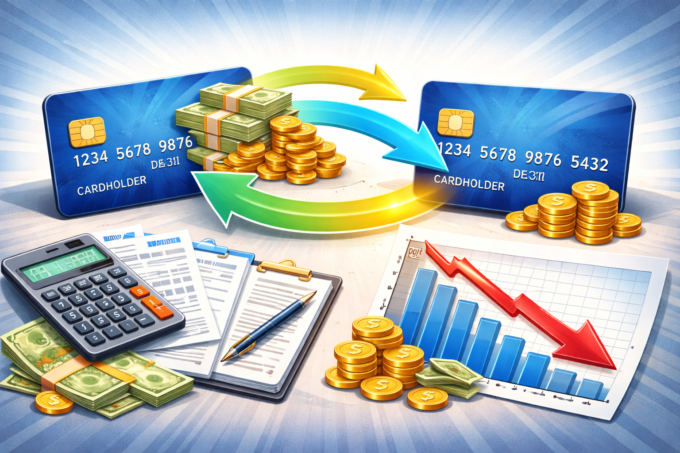
- transferring balances to lower-interest cards.
By following these habits, many people can use credit cards without paying interest at all.










Leave a comment