

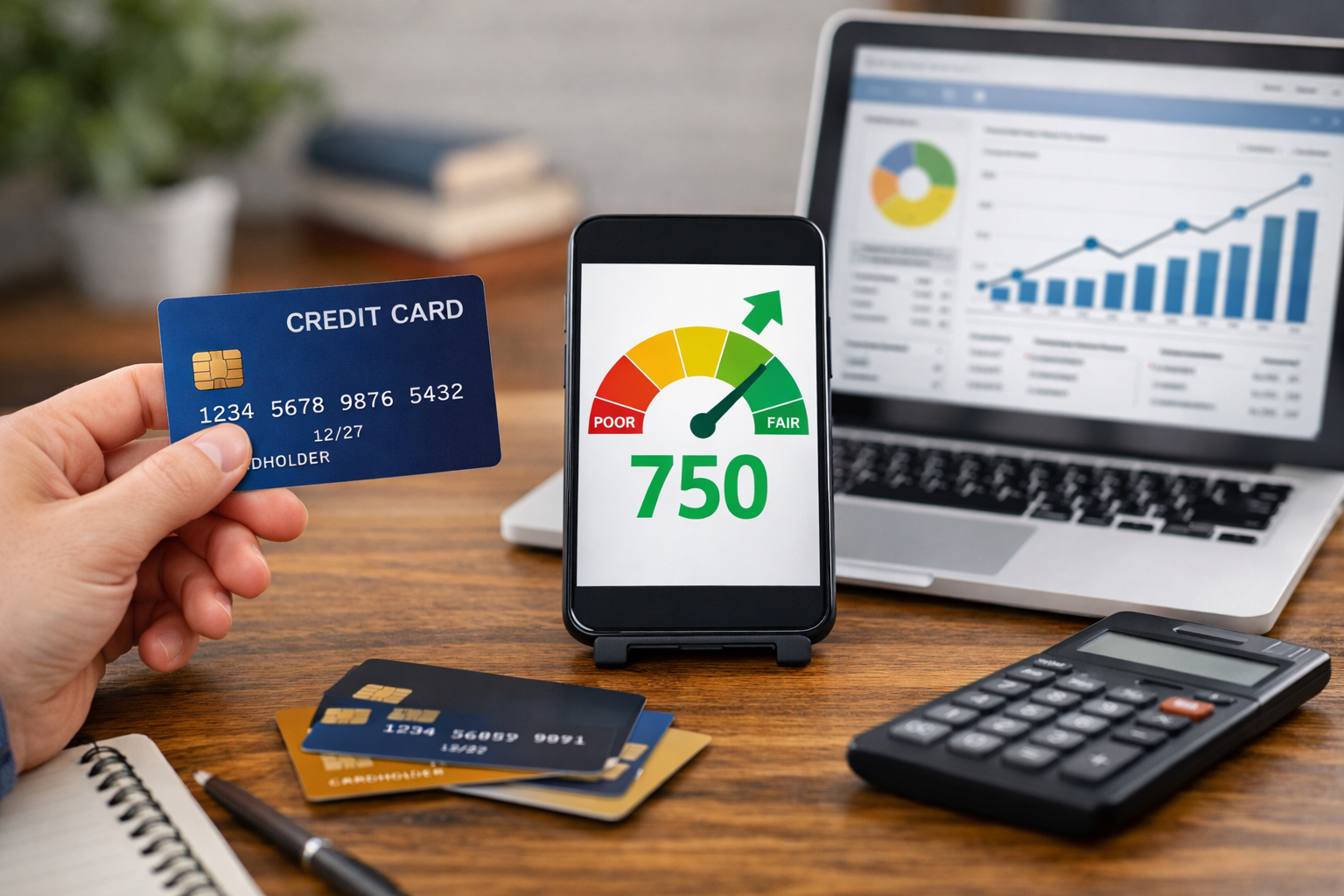
8. Digital and Fintech Credit Builder Cards
One of the biggest trends in 2026 is the rise of digital credit builder cards offered by fintech companies.
These modern cards are often connected to mobile apps that help users track spending, monitor credit scores, and receive reminders about payment due dates.
Many fintech credit cards are designed specifically for younger users or people who are new to credit.
Some even offer features like spending limits, budgeting tools, or automatic payments to help users avoid missing payments.
Because these companies rely heavily on technology and data, they may approve applicants who would not qualify for traditional bank credit cards.
Digital credit builder cards are becoming increasingly popular because they combine financial education with practical credit building.
For people who prefer managing money through their smartphone, these modern cards provide a convenient way to improve their credit profile.
How to Build Credit Faster With These Cards
Building credit faster with a credit card is not only about getting approved for the right card. The real progress happens in how you use the card every day. Many people get a credit card thinking the score will improve automatically, but that is not how the system works. Credit scores are built slowly through patterns of responsible behaviour. Every payment you make, every balance you carry, and every financial decision you take sends a signal to lenders about how reliable you are with borrowed money.
When you understand how these signals work, you can use your credit card strategically to improve your credit profile much faster than someone who uses it without a plan.
The first and most important habit is paying your bills on time every single month. Payment history carries the largest weight in most credit scoring systems. Lenders want to know one main thing before they trust you with larger loans: will this person pay back what they borrow? When you pay your credit card on time month after month, you are proving that you can manage debt responsibly.
Even one missed payment can cause serious damage to a credit score, especially for someone who is still building their credit profile. Late payments may remain on your credit report for years, and lenders can see them when they evaluate loan applications. Because of this, it is important to treat the payment date as something that cannot be ignored.
Many people solve this problem by setting up automatic payments from their bank account. This way the minimum amount due is paid automatically each month, reducing the risk of forgetting. Some people also choose to pay the full balance automatically, which helps them avoid interest charges while building strong payment history at the same time.
Another important strategy is keeping your spending low compared to your credit limit. This is often called credit utilisation. It simply means how much of your available credit you are using.
For example, if your credit card has a limit of £1,000 and you spend £900, you are using 90 percent of your available credit. To lenders, this can signal financial stress or heavy reliance on borrowed money. Even if you pay it off later, high utilisation can still affect your credit score while the balance is reported.
Experts often suggest keeping your usage below about 30 percent of your credit limit. If your limit is £1,000, that means trying not to carry a balance higher than about £300 at the time the statement closes. Some people aiming to build credit even faster try to stay below 10 percent.
This does not mean you cannot use the card. It simply means you should control how much you spend before the balance is reported to credit agencies. One simple technique many people use is paying part of the balance before the statement date, which keeps the reported balance low while still allowing regular usage.
Applying for too many credit cards in a short period can also slow down your credit progress. Each time you apply for a credit card, the lender performs what is called a credit inquiry. This is a check of your credit report to evaluate your application.
A single inquiry usually has only a small temporary impact on your credit score. However, multiple applications within a short period can make lenders nervous. It may look like you are urgently trying to access a lot of credit, which could suggest financial difficulties.
Because of this, it is generally better to apply for one credit card that suits your needs and use it responsibly for several months. Once your credit score improves, you can consider applying for better cards with higher limits or rewards.
Another important habit for building credit faster is using your card regularly but responsibly. Credit scoring systems need activity in order to measure your behaviour. If you open a credit card and never use it, the system does not have enough information to evaluate your borrowing habits.
Using your card for small everyday purchases is often the best approach. For example, you might use it for fuel, groceries, streaming subscriptions, or a phone bill. These are expenses you already have, so using the card simply shifts the payment method rather than increasing spending.
After making these purchases, the key step is paying the balance in full when the statement arrives. This shows lenders that you can borrow money and repay it responsibly without carrying unnecessary debt.
Another technique that helps build credit faster is maintaining a long relationship with your credit accounts. The age of your credit accounts is another factor that affects your credit score. Lenders like to see that you have managed credit responsibly for a long period of time.
This means that once you open your first credit card, it is often wise to keep it open even if you later get better cards. The older account continues to strengthen your credit history simply by existing and showing years of responsible use.
Closing your oldest account can sometimes shorten your credit history and slightly lower your score. For this reason, many people keep their first credit card active by using it occasionally for small purchases.
Another factor that helps improve credit faster is maintaining a healthy mix of credit types over time. Credit scoring systems look at different forms of borrowing such as credit cards, personal loans, and car finance. Having experience with more than one type of credit can show lenders that you can manage different financial responsibilities.
However, this does not mean you should rush into taking loans you do not need. The most important step is starting with a credit card and building a solid record of responsible payments.
Monitoring your credit report is another powerful step that many people overlook. By checking your credit report regularly, you can see how your actions are affecting your score. It also helps you detect errors or fraudulent activity that could harm your credit profile.
Sometimes mistakes appear on credit reports, such as incorrect balances or accounts that do not belong to you. If these errors remain unnoticed, they could affect your ability to get loans or credit in the future. Checking your report regularly allows you to correct problems early.
Financial discipline also plays a major role in building credit quickly. It is easy to treat a credit card like extra money, but in reality it is simply borrowed money that must be repaid. People who build credit successfully often develop habits such as budgeting, tracking spending, and avoiding unnecessary purchases.
Using the card only for expenses you can afford to repay helps prevent debt from growing beyond control. This approach allows you to enjoy the benefits of credit building without the stress of large balances or interest charges.
Consistency is the real secret behind fast credit growth. Credit scores do not change dramatically overnight. Instead, they improve gradually as lenders see repeated evidence that you are reliable with borrowing.
When someone pays their bills on time, keeps balances low, avoids unnecessary applications, and uses their card responsibly month after month, the credit system begins to reward that behaviour. Over time, the score increases and lenders begin to view the borrower as trustworthy.
Many people begin to notice improvements in their credit score within six to twelve months of responsible credit card use. In some cases the improvement can be even faster, especially if the person previously had little credit history.
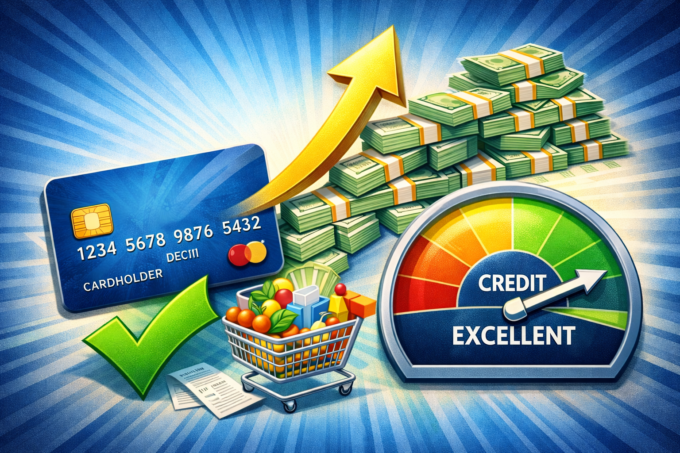
As the score rises, new financial opportunities begin to appear. Higher credit limits, better interest rates, and more attractive financial products become available. What started as a simple beginner credit card can eventually open the door to mortgages, business loans, and other major financial goals.
Building credit quickly is not about complicated financial tricks. It is about using simple habits consistently over time. Paying on time, keeping balances low, limiting new applications, and using credit responsibly can transform a person’s credit profile faster than most people expect.
When these habits become part of your financial routine, your credit card stops being just a payment tool. It becomes a powerful instrument for building long-term financial stability and opportunity.








Leave a comment